The island's position off Venezuela's coast created distinct history from other Caribbean islands. Dutch colonial influence remains evident in architecture, governance, and education systems. Yet Curaçao maintains authentic Caribbean culture with Papiamento language, African heritage, and Caribbean creativity defining daily life. The result is a destination feeling neither purely Caribbean nor European, but distinctly Curaçaoan.
• Colonial Architecture and Willemstad Exploration
Willemstad, the capital, features one of the Caribbean's most photographed skylines, with candy-coloured colonial buildings reflecting in the waterfront. The Floating Market, featuring boats selling fresh produce directly from Venezuelan farmers, brings vibrant market culture to the waterfront. When walking Willemstad streets, you'll notice the meticulous colour coordination, with each building featuring distinct hues creating visual harmony.
The Punda and Otrobanda districts showcase different architectural styles and character, separated by the famous Queen Emma Bridge, a floating pontoon bridge opened and closed to allow boat traffic. Wandering these neighbourhoods immerses you in living history, with generations-old buildings housing contemporary galleries, restaurants, and artisan workshops. The architecture itself tells stories of Spanish, Dutch, and African influences.
Expert Insider Tip: Hire local guides familiar with the architectural history and cultural significance of different buildings. Their insights transform casual sightseeing into genuine historical education. Visit during early morning hours for superior photography light and fewer crowds.
Best for: Photographers, architecture enthusiasts, history lovers, and culture seekers.
• Caribbean Diving and Reef Exploration
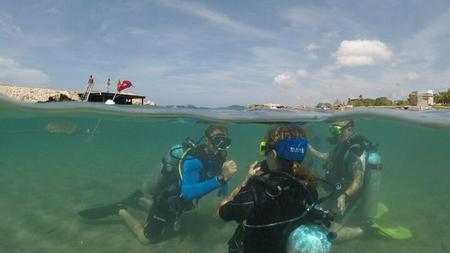
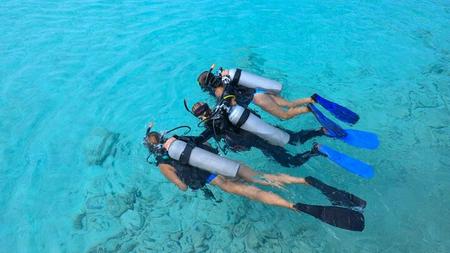
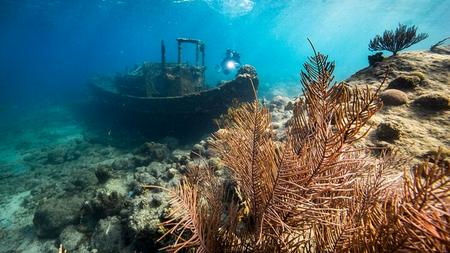
Curaçao ranks among the world's premier dive destinations, with pristine coral reefs, dramatic drop-offs, and remarkable biodiversity. The island's position creates unique marine conditions, with reefs accessible directly from many beaches. Visibility typically exceeds 20 metres, allowing clear views of the astonishing marine life.
The reef system includes both shallow reefs perfect for snorkelling and deeper dives featuring dramatic geology and abundant marine life. Dry Dock, a famous site, features an underwater jetty and diverse fish species. Garden of Eden offers gentler reefs perfect for less experienced divers. When diving Curaçaoan reefs, you'll encounter loggerhead and green sea turtles, eagle rays, groupers, and countless colourful reef fish.
Expert Insider Tip: Book dive operations with environmental credentials prioritising reef conservation. Request shore dives rather than boat dives when possible, which eliminates anchor damage to delicate coral. Visit during shoulder seasons (April-May, November-December) for fewer crowds and equally excellent diving conditions.
Best for: Certified divers, underwater photographers, marine biology enthusiasts, and snorkellers.
• Beach Hopping and Water Sports
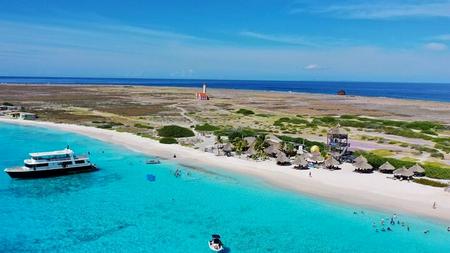
Curaçao's beaches offer variety from developed beachfront settings to secluded coves accessed by car or hiking. Cas Abao Beach provides turquoise waters and good diving from the beach. Bapor Beach, reachable only by challenging terrain, offers solitude and natural beauty. Each beach maintains distinct character and appeal.
Windsurfing, kiteboarding, and stand-up paddleboarding all find excellent conditions. The island's consistent trade winds create excellent water sports conditions year-round. Beach clubs blend beach culture with good food and beverage offerings, creating relaxed social atmospheres.
Expert Insider Tip: Rent a four-wheel-drive vehicle to access remote beaches secluded beaches. Hiring local beach guides provides knowledge of lesser-known locations and safety information for unfamiliar terrain. Visit early mornings for calmest water conditions and emptiest beaches.
Best for: Beach lovers, water sports enthusiasts, adventure seekers, and those seeking island exploration.
• Cultural Immersion and Local Creativity
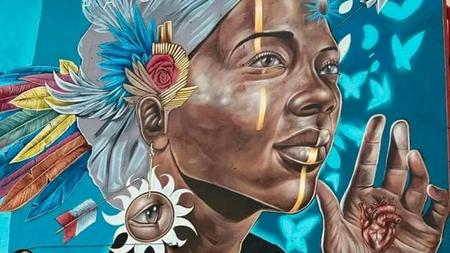
Curaçao's cultural identity blends Dutch, African, Spanish, and Caribbean elements creating something entirely unique. Street music, art, and festival culture reflect this synthesis. The annual Carnival celebration showcases Curaçaoan creativity with elaborate costumes, music, and dancing reflecting historical and contemporary themes.
Local restaurants serve authentic cuisine blending these influences, with traditional dishes like funchi (cornmeal staple) and fresh seafood reflecting island heritage. Street food vendors sell fried cheese, empanadas, and other local specialities. Engaging with locals about their culture, language (Papiamento), and creative expression reveals pride in their unique identity.
Expert Insider Tip: Visit local markets and cafes frequented by residents rather than tourist establishments. Learn a few Papiamento phrases, as locals appreciate effort to engage with their language. Attend cultural events and festivals, which offer authentic cultural experiences more meaningful than planned tourism activities.
Best for: Culture enthusiasts, foodies, art lovers, and those valuing authentic local encounters.
• Nature Reserves and Hiking
Shete Boka National Park features dramatic cliffs and cave formations along the island's north coast. Hiking trails offer spectacular views and opportunities to observe native species in their natural habitat. The park's landscape contrasts sharply with the developed tourism areas, revealing the island's natural diversity.
Ostrich Farm and Garden offers animal encounters alongside agricultural learning about island farming practices. The island's arid climate created unique vegetation adapted to minimal rainfall, making nature exploration educational for those interested in ecology and adaptation.
Expert Insider Tip: Start hikes very early, before afternoon heat intensifies. Bring significantly more water than seems necessary, as the landscape offers no shade. Wear sturdy hiking boots for rocky terrain. Visit during cooler months (November-March) when hiking conditions are most comfortable.
Best for: Hikers, nature photographers, outdoor adventurers, and those interested in Caribbean ecology.
• Know Before You Go
Curaçao's climate remains warm year-round, with temperatures typically ranging from 28-32 degrees Celsius. The island sits outside the hurricane belt, making it safe during Atlantic hurricane season. The best season runs November through April, when weather remains warm with manageable trade wind levels. May-October brings slightly higher temperatures and occasional tropical showers.
The island uses the Netherlands Antilles Guilder (ANG), though US dollars are widely accepted. Dutch and Papiamento are official languages, with English widely spoken in tourist areas. The island maintains modern infrastructure including good roads, reliable water and electricity, and comprehensive tourism services.
Gifting Owl vouchers are valid worldwide for 3 years with free exchanges.
• Quick Verdict
Curaçao represents one of the Caribbean's finest destinations, combining architectural beauty, world-class diving, cultural diversity, and genuine hospitality. Whether your gift recipient seeks urban exploration, reef diving, beach relaxation, or cultural immersion, Curaçao delivers across all preferences. This is a gift offering Caribbean distinction without sacrificing comfort or accessibility.