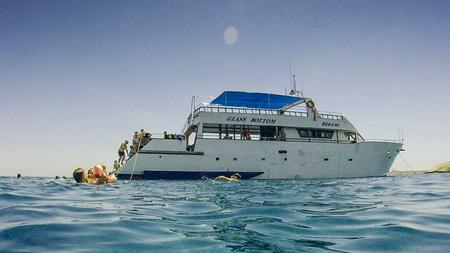
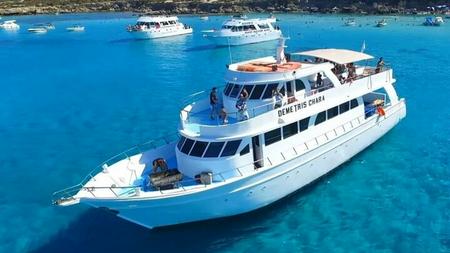
The island's strategic Mediterranean position meant successive occupation by Greeks, Romans, Ottomans, and British, each leaving cultural imprints visible throughout the island. Yet Cyprus maintains strong Greek Cypriot and Turkish Cypriot cultural identities reflecting this complex history. The division of the island creates a unique geopolitical situation, but the southern Republic of Cyprus remains accessible and welcomes visitors warmly.
• Byzantine Churches and Religious Heritage
Cyprus contains some of the Mediterranean's most significant Byzantine churches, with frescoes and architecture preserving early Christian traditions. Kykkos Monastery, one of the world's wealthiest monasteries, sits dramatically on a mountainside with views across the island. The monastery's gold-plated interior and Byzantine mosaics represent extraordinary artistic achievement. When visiting, you'll notice the solemn reverence, the smell of incense, and the profound sense of spiritual continuity spanning centuries.
Painted Churches of the Troodos Mountains, designated UNESCO World Heritage Sites, feature extraordinary Byzantine frescoes dating to medieval periods. Walking through these mountain churches transports visitors into spiritual worlds created centuries ago. The mountain locations mean visiting requires effort, but the rewards are profound encounters with art and spirituality few experience.
Expert Insider Tip: Hire local guides knowledgeable about Byzantine history and religious significance. Their insights transform simple sightseeing into genuine educational experiences. Dress modestly in churches, covering shoulders and knees, as these are active religious spaces.
Best for: History enthusiasts, art lovers, spiritually curious travellers, and culture seekers.
• Beach Experiences and Mediterranean Swimming
Cyprus's beaches offer everything from developed resort settings to completely undeveloped stretches accessible only by local knowledge or hiring guides. Nissi Beach provides turquoise waters and good tourism infrastructure. Kourion Beach offers quieter alternatives with dramatic clifftop views. Fig Tree Bay combines accessibility with natural beauty.
The Mediterranean climate means warm water and reliable sunshine from May through October. Swimming in these warm waters combines physical pleasure with sensory immersion in natural beauty. Beach clubs blend beach culture with excellent food and beverage offerings, creating relaxed Mediterranean atmospheres.
Expert Insider Tip: Visit beaches early morning for calmest water and emptiest shores. September-October offers warm water with substantially fewer tourists than July-August. Bring reef-safe sunscreen, as standard formulas damage Mediterranean marine ecosystems.
Best for: Beach lovers, swimmers, relaxation seekers, and those valuing Mediterranean coastal experiences.
• Ancient Ruins and Archaeological Discovery
Cyprus contains extraordinary archaeological sites spanning three thousand years of history. Kourion, an ancient Greek city, features a remarkable theatre overlooking the Mediterranean. The site includes Roman mosaics, temples, and city structures revealing daily life in classical antiquity. Walking these ruins, you'll encounter layers of history visible in stone and artefacts.
Salamis, an ancient city in the north, features columns, theatres, and ancient streets remarkably well-preserved. The scale of the ruins demonstrates the city's former importance and grandeur. Archaeological museums in Nicosia and Limassol provide context for understanding site significance and chronology.
Expert Insider Tip: Hire archaeological guides rather than exploring independently. Their expertise transforms ruins from interesting structures into narratives revealing how people lived, believed, and governed in antiquity. Early morning visits provide best light and coolest temperatures for exploring exposed archaeological sites.
Best for: History enthusiasts, archaeology buffs, culture explorers, and those seeking temporal depth.
• Mountain Villages and Cultural Immersion
The Troodos Mountains contain traditional villages where time moves differently from coastal tourism centres. Omodos, a wine-producing village, features narrow streets, traditional architecture, and wine shops selling local varieties. Kakopetria maintains authentic mountain character with stone houses and local restaurants serving traditional cuisine. Walking through these villages, you'll encounter genuine local life with tourism infrastructure minimal compared to coastal areas.
Local wine production, using traditional methods refined over centuries, provides cultural insight alongside flavour discovery. Wine tastings in family-run operations connect visitors with producers passionate about their craft and willing to share knowledge about viticulture, fermentation, and flavour development.
Expert Insider Tip: Visit villages early morning when locals shop and conduct business. Eat at small family restaurants where local workers gather rather than tourist establishments. Chat with locals about their communities, revealing stories and connections impossible to discover from guidebooks.
Best for: Culture enthusiasts, foodies, wine lovers, and those valuing authentic local experiences.
• Diving and Water Sports
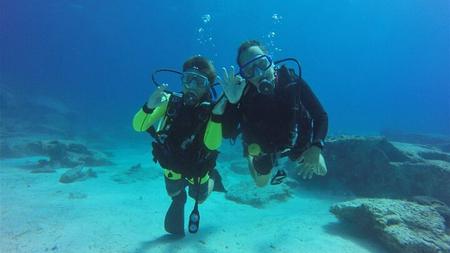
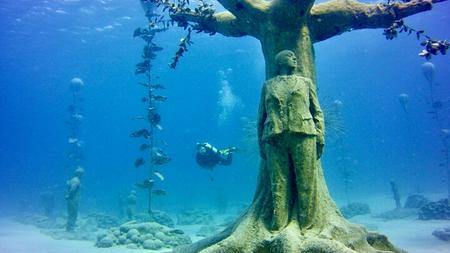
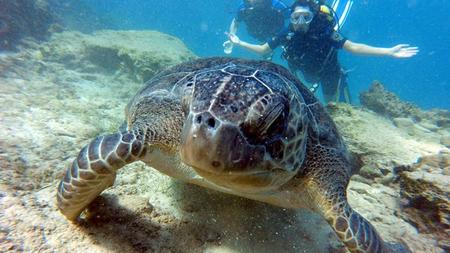
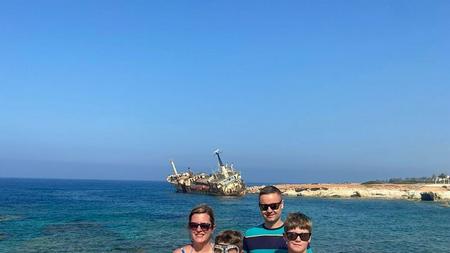
Cyprus's surrounding waters offer excellent diving with warm water, good visibility, and diverse marine life. Reef dives feature colourful coral, tropical fish, and occasional encounters with sea turtles. Wreck dives provide exploration of submerged vessels and structures. The year-round warm water creates accessible diving conditions most of the year.
Windsurfing, kitesurfing, and stand-up paddleboarding all find excellent conditions. Beach sports culture emphasises leisure and social connection combined with athletic participation.
Expert Insider Tip: Book dive operations with environmental credentials prioritising reef conservation. Request shore dives when possible, which eliminates anchor damage to coral. Visit during shoulder seasons (April-May, September-October) for fewer crowds and equally excellent diving.
Best for: Certified divers, underwater photographers, water sports enthusiasts, and adventure athletes.
• Know Before You Go
Cyprus's best season runs April through November, when weather remains warm with manageable wind levels. July-August brings peak temperatures and maximum tourist crowds. The island's year-round Mediterranean climate means warm temperatures even during winter months. Water temperatures range from comfortable for swimming May-October, to cool but swimmable during winter.
Tourism infrastructure is comprehensive and modern. Roads are good throughout the island. English proficiency is high in tourist areas but lower in remote villages. The island uses the Euro, with ATMs widely available. Tourism costs remain affordable compared to Western European equivalents.
Gifting Owl vouchers are valid worldwide for 3 years with free exchanges.
• Quick Verdict
Cyprus represents one of the Mediterranean's finest values, combining authentic culture, archaeological significance, beautiful beaches, and accessible tourism infrastructure. Whether your gift recipient seeks history, relaxation, water sports, or cultural immersion, Cyprus delivers. This is a gift offering Mediterranean authenticity without the crowds or prices of more famous destinations.