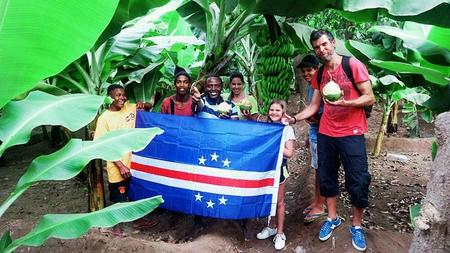
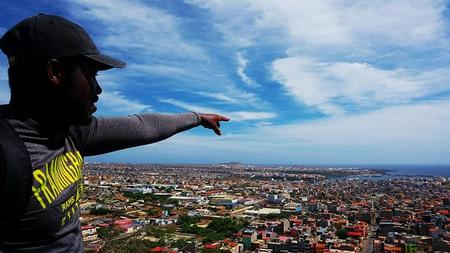
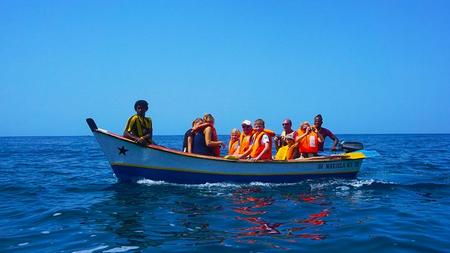
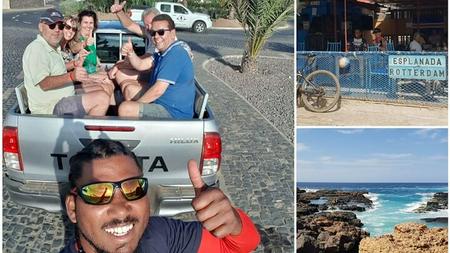
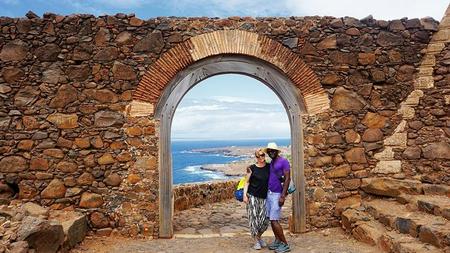
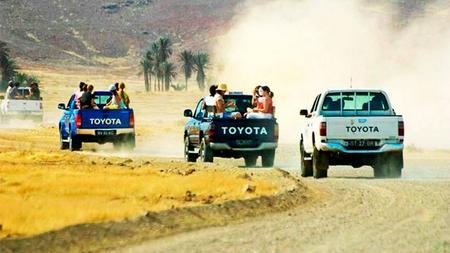
The islands' strategic Atlantic position creates unique geography. Volcanic peaks dominate some islands, whilst others are flat and windswept. The climate remains dry and warm year-round, with consistent trade winds making the islands perpetually breezy. The people's Creole heritage blends Portuguese and African elements, creating a distinct cultural identity distinct from mainland Africa yet fundamentally different from European tourism destinations.
• Volcanic Island Exploration and Hiking
Fogo, an active volcano island, features a volcanic cone reaching 2,829 metres elevation. Hiking to the crater involves significant physical exertion but rewards with otherworldly lunar-like landscapes. Our team found that crater temperatures remain surprisingly cool despite the volcano's tropical location, creating unexpected microenvironments within otherworldly settings.
Santo Antão offers equally dramatic hiking through green valleys carved by waterfalls. The island's interior contrasts sharply with its harsh, windswept coastlines. Walking these trails immerses you in authentic island life, passing through remote villages where tourism infrastructure is minimal and interactions with locals feel genuinely reciprocal rather than transactional.
Expert Insider Tip: Hire local guides for volcanic hikes, as paths can be obscure and weather can deteriorate rapidly. Early starts allow completion before afternoon heat intensifies. Bring significantly more water than seems necessary, as the landscape offers no shade and dehydration risks are genuine.
Best for: Hikers, adventure seekers, photographers, and those valuing geological experiences.
• Windsurfing and Water Sports Paradise
Sal Island's consistent trade winds make it one of Africa's premier windsurfing destinations. The island's shallow lagoons and reliable wind patterns attract both beginners and experienced riders. When conditions align, the water's turquoise clarity and consistent conditions create windsurfing experiences unmatched elsewhere on the continent.
Beyond windsurfing, kitesurfing, kiteboarding, and standard surfing all find excellent conditions across Cape Verde's islands. Beach culture emphasises leisure and social connection, with the evening promenade being important daily ritual. Sunset swimming in tropical waters combines with casual beachside dining creating relaxed island atmosphere.
Expert Insider Tip: Visit during trade wind season (November-June) for most consistent wind conditions. Beginners should book lessons with operators managing groups rather than attempting independent learning. Bring reef-safe sunscreen, as standard formulas damage these delicate marine ecosystems.
Best for: Water sports enthusiasts, windsurfers, adventure athletes, and beach lovers.
• Cultural Immersion and Creole Heritage
Praia, on Santiago Island, serves as Cape Verde's capital and provides genuine cultural immersion. The city blends African energy with Caribbean relaxation, featuring colourful colonial buildings, bustling markets, and street music reflecting the islands' musical heritage. Walking Praia's streets means encountering daily life largely unmediated by tourism infrastructure.
Local music and dance are central to Cape Verdean identity. Morna music, expressing melancholy and longing, originated here and remains integral to cultural expression. Street food vendors sell cachupa, a traditional cornmeal dish, and fresh fish grilled on charcoal. Engaging with locals about their lives reveals resilience, creativity, and genuine warmth.
Expert Insider Tip: Visit markets early morning when locals shop, experiencing authentic commerce without tourist surcharges. Learn a few Portuguese phrases, as Portuguese is the official language, though Creole dominates daily speech. Chat with locals about their music, art, and cultural traditions, demonstrating genuine interest beyond superficial tourism.
Best for: Culture enthusiasts, music lovers, foodies, and those valuing authentic local encounters.
• Beach Relaxation and Tropical Swimming
Cape Verde's beaches offer everything from developed resort settings to completely undeveloped stretches accessed only by local knowledge or hiring local guides. Each island maintains distinct beach character and appeal. Sal's beaches provide easier accessibility and tourist infrastructure. More remote islands offer solitude and natural beauty without tourism development.
Snorkelling in Cape Verde's waters reveals vibrant fish species and occasional encounters with sea turtles. The islands sit at the intersection of African and Atlantic marine ecosystems, creating unique biodiversity. Swimming in these warm Atlantic waters combines physical pleasure with sensory immersion in natural beauty.
Expert Insider Tip: Swim in designated areas where locals indicate safety. The Atlantic can produce unexpected currents and conditions, particularly on exposed coasts. Hire local guides for snorkelling trips rather than attempting independent exploration, as they know safe locations and can identify species. Visit shoulder seasons (April-May, September-October) for warmest water and fewer tourists.
Best for: Beach lovers, swimmers, snorkellers, and those seeking tropical relaxation.
• Turtle Conservation and Wildlife Encounters
Several islands protect nesting sites for endangered sea turtles. Visiting during nesting season (May-November) allows participation in conservation experiences, observing nesting females and hatchlings making journeys to the ocean. This combines adventure with meaningful ecological contribution, creating experiences with lasting personal significance.
Birdwatchers find excellent opportunities observing endemic species and migratory birds. The islands' isolation created unique avian biodiversity found nowhere else. Hiring local naturalists facilitates species identification and understanding of ecological relationships, transforming simple birdwatching into educational experiences.
Expert Insider Tip: Contact conservation organisations directly for turtle-viewing opportunities rather than relying on commercial operators, which sometimes disrupt nesting. Participate in conservation activities respectfully, following guides' instructions to minimise disturbance. Early morning provides best opportunities for observing wildlife before heat causes animals to seek shade.
Best for: Conservationists, wildlife enthusiasts, photographers, and those valuing ecological participation.
• Know Before You Go
Cape Verde's best season runs November through June, when weather remains warm with manageable wind levels. July-October brings higher temperatures and occasional heavy rains in some locations. The islands remain warm year-round, with temperature variations being minimal. Trade winds are constant, sometimes creating unexpectedly challenging wind conditions for those unfamiliar with them.
Portuguese is the official language, though Creole dominates daily conversation. English proficiency is lower than many tourist destinations, making learning a few Portuguese phrases valuable. The islands use the Cape Verdean Escudo, though euros are widely accepted. Tourism infrastructure varies significantly between islands, with Sal offering full resort amenities whilst more remote islands require flexibility and resourcefulness.
Gifting Owl vouchers are valid worldwide for 3 years with free exchanges.
• Quick Verdict
Cape Verde represents one of Africa's finest island experiences, combining authentic cultural immersion, natural diversity, and genuine hospitality. Whether your gift recipient seeks adventure, relaxation, cultural discovery, or water sports, Cape Verde delivers across all preferences. This is a gift offering African authenticity without compromising comfort or accessibility.